Not everyone who sells sex calls themselves a sex worker. And that’s not just about personal preference-it’s about power, safety, and who gets to decide what you are. In cities like Dubai, where the lines between legality and survival blur, the label "sex worker" can be a shield or a target. Some women working as escort in bur dubai see their work as a way to pay rent, send money home, or fund education. Others reject the term entirely because it’s tied to activism, politics, or movements they don’t identify with. The truth? The right to name yourself is rarely given-it’s fought for.
What gets ignored in debates about decriminalization or moral panic is how class, race, migration status, and gender shape who gets to be seen as a "sex worker" and who gets labeled as "prostitute," "trafficked victim," or "criminal." In Dubai, for example, many women working in the informal sex economy are foreign nationals on temporary visas. They don’t have access to legal protections, unions, or even basic healthcare. Their work is hidden, not because they want secrecy, but because the system forces it. Meanwhile, high-end services like an escort dubai cheap or an escort dubai girl are marketed through glossy websites and private apps, often owned by local operators who profit from the same system that criminalizes the people doing the work.
Who Decides What You Are?
The term "sex worker" was coined in the 1970s by activists in the U.S. and Europe to reclaim dignity and push for labor rights. It was meant to include everyone-street-based workers, indoor workers, webcam models, dancers, and more. But over time, the label got filtered through Western feminist frameworks and NGO funding priorities. In many Global South countries, including places like the UAE, the term doesn’t always land the same way. Some women say they’re just "helpers," "companions," or "models." Others refuse to use any label because they fear being tracked, deported, or targeted by police.
When international organizations push for "sex worker-led movements," they often assume everyone wants to organize under that banner. But what if you’re a single mother in Sharjah working nights to keep your kids fed? What if you’ve been told by your own family that talking about your job will bring shame? The pressure to adopt the identity of "sex worker" can feel like another kind of control-not liberation.
The Hierarchy of Visibility
There’s a clear pecking order in the sex industry, and it’s not based on skill or income-it’s based on who looks like they "belong." Women who fit Western beauty standards, speak fluent English, and work in luxury apartments are more likely to be seen as "professional" or "empowered." They get featured in travel blogs, Instagram ads, and boutique websites. Meanwhile, women working in low-income neighborhoods, on the streets, or in shared rooms with no privacy are called "victims"-even when they say they’re not.
This hierarchy affects everything: access to housing, police response times, media coverage, and even who gets invited to policy meetings. A woman offering an escort dubai cheap service through a WhatsApp group is rarely invited to speak at a UN panel on labor rights. But a woman with a branded website and a team of assistants? She might be flown to Geneva as a "representative." The system rewards visibility, not truth.
Legal Systems Don’t Protect Everyone
Dubai doesn’t have legal sex work. But that doesn’t mean it doesn’t exist. It means it exists in the shadows, and the shadows are unevenly lit. If you’re a Western woman with a tourist visa working as an independent escort, you’re less likely to be arrested than a Filipina or Nigerian woman doing the same thing. Why? Because your passport gives you privilege. Your accent gives you cover. Your appearance gives you safety.
Police raids target low-income areas, not luxury villas. Social services don’t reach women working privately through apps. Even when laws change-like when Thailand decriminalized some forms of sex work in 2023-the benefits rarely reach those who need them most. The same pattern repeats: laws are written by people who don’t live the reality. And those who do? They’re left to navigate the system alone.
Who Benefits From the Labels?
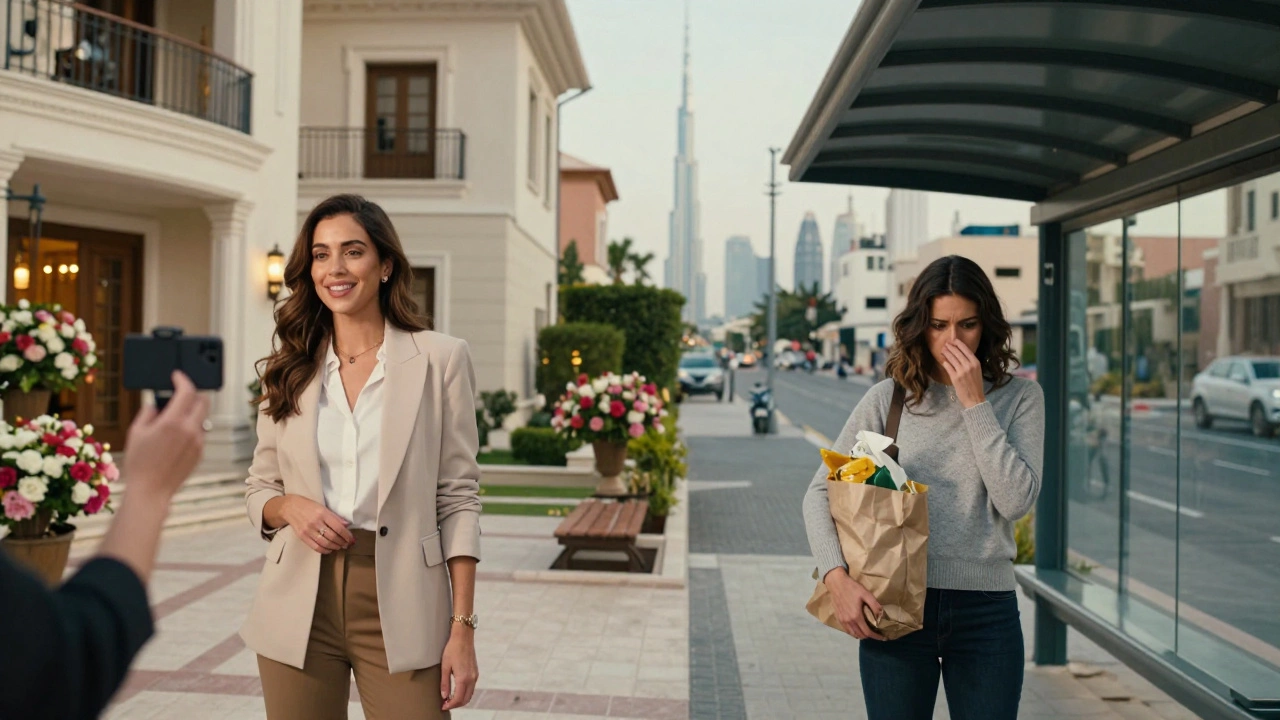
Who gains when we call someone a "sex worker"? Activists? NGOs? Governments? Media outlets? Sometimes, yes. But often, the biggest beneficiaries are the people who control the platforms, the advertising, the tourism boards, and the legal loopholes. A website promoting "luxury escorts" in Dubai makes money whether the women working there are labeled "empowered" or "exploited." The label doesn’t change their paycheck-it changes how the world talks about them.
When you see a post saying "Meet the independent female entrepreneur who runs her own escort business in Dubai," you’re not seeing the full picture. You’re seeing a curated story designed to attract clicks, clients, and investors. The woman behind it might be doing everything right-paying taxes, setting boundaries, choosing her clients. But she’s still operating in a system that could shut her down tomorrow. And the women she’s competing with? They’re invisible.
It’s Not About the Job-It’s About the Power
The real question isn’t whether someone should be called a sex worker. It’s: who gets to decide? And why does it matter so much to outsiders whether a woman labels herself a worker, a survivor, a business owner, or nothing at all?
For decades, the answer has been: those with the most power. Journalists, lawmakers, donors, and even well-meaning allies have assumed they know what’s best for women in the sex industry. They’ve pushed for "rescue," "rehabilitation," and "reintegration" programs that assume every woman wants to leave. But what if she doesn’t? What if she likes the flexibility? What if she’s saving up to open a small shop? What if she’s just trying to survive until her visa expires?
Real respect means letting people define their own lives-even when it’s messy, uncomfortable, or doesn’t fit your narrative.
What Does Real Support Look Like?
Support doesn’t mean giving people a label. It means giving them safety, choice, and voice.
- Access to safe housing, regardless of immigration status
- Legal protection from violence and exploitation
- Healthcare that doesn’t require disclosure of work
- Banking services that don’t shut down accounts because of "suspicious activity"
- Platforms that let them speak for themselves, not through translators or advocates
When you support a woman in Dubai who works as an escort, don’t ask if she’s a sex worker. Ask if she has a safe place to sleep. Ask if she can call the police without fear. Ask if she can save money without being scammed. Those are the questions that actually matter.
Final Thought: Labels Are Not Liberation
The fight for dignity in the sex industry isn’t about winning a name game. It’s about dismantling the systems that make survival depend on invisibility. Whether someone calls themselves a sex worker, a companion, a model, or just "me"-their worth isn’t tied to the word. It’s tied to their right to live without fear, without judgment, and without having to earn permission to exist.